


Ayutthaya Boat and Travel
Eco-tourism boat trips and travel services in Ayutthaya.
- +66 35 244 558
- ayutthaya-boat.com
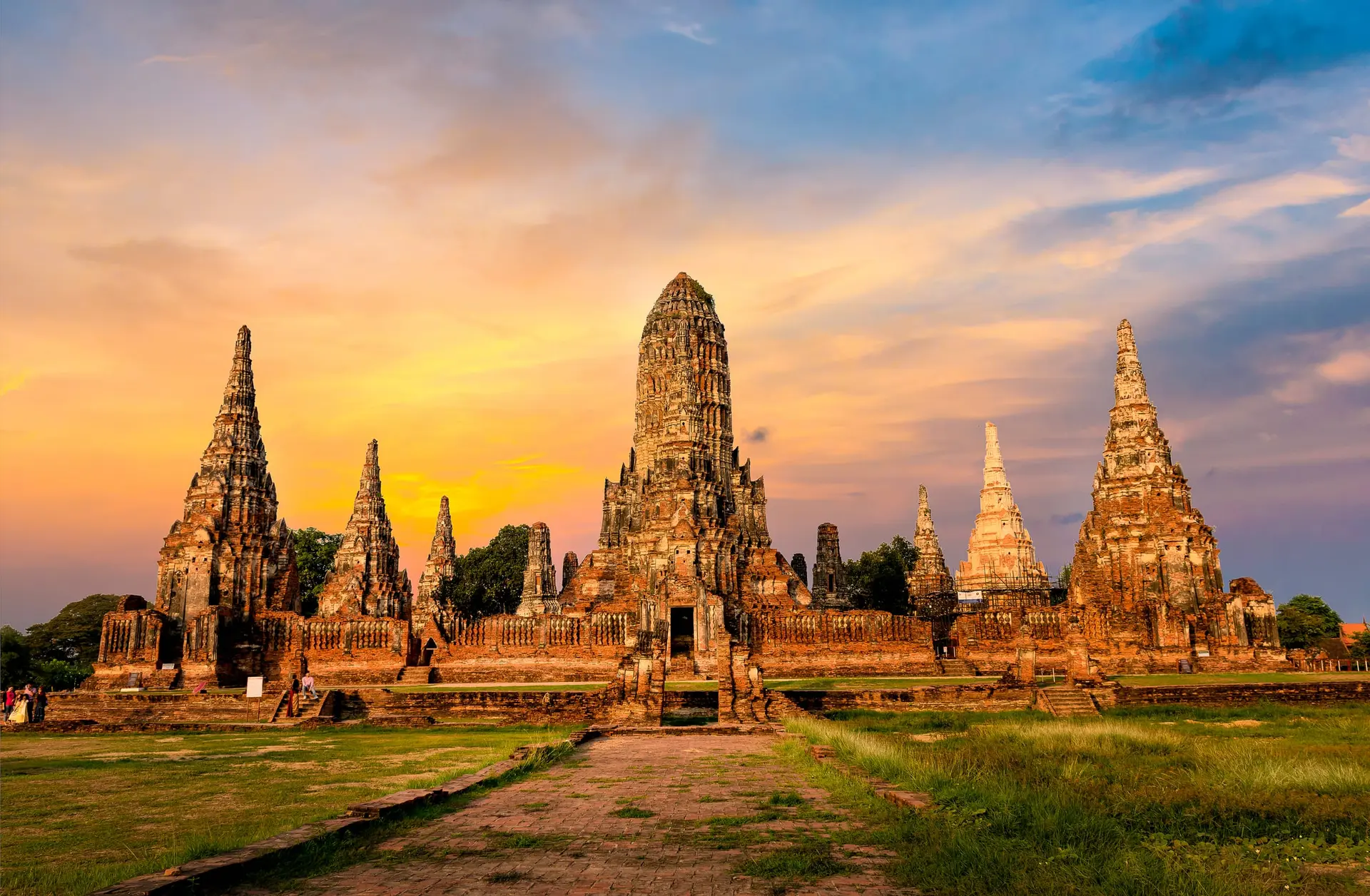
Thailand
Capital of Siam for 400 years, until it burned. The ruins sit on an island in the river.
Four centuries of diplomacy, trade, and sacred architecture on a river island 80 km north of Bangkok.
Nestled at the confluence of the Chao Phraya, Lopburi, and Pa Sak rivers, Ayutthaya was founded in 1350 as the second capital of the Siamese Kingdom. Its island setting was strategic, the surrounding waters prevented attacks from sea-going warships and protected against floods, allowing the city to thrive as a global hub for diplomacy and commerce.
For over four centuries, Ayutthaya drew traders and envoys from China, Japan, India, Persia, Portugal, France, and the Netherlands. Foreign communities, Portuguese, Japanese, Chinese, Muslim, established settlements along the riverbanks, each leaving traces in the city's architecture, cuisine, and craft traditions that survive today.
In 1767, the Burmese army razed the capital to the ground. What remains, the tall prangs, the monumental Buddhist monasteries, the Buddha head entwined in banyan roots, earned UNESCO World Heritage status in 1991, protecting 289 hectares of one of Southeast Asia's most significant archaeological sites.
Reading the sky…
Cool & dry season · Nov – FebPack light clothing, comfortable shoes, sunscreen and rain gear for the wet season. In the cool months, keep an eye on air quality, seasonal agricultural burning can affect it.
Ayutthaya's well-preserved ruins from the 14th–18th centuries have been a UNESCO World Heritage Site since 1991, temples and palaces that carry you straight into the old capital. The historical park layers in modern touches too: mobile apps and QR panels at the major sites, plus online booking for stays, dining and tours.
The temples, palaces, and ruins that earned Ayutthaya its UNESCO World Heritage status.
Ayutthaya's history as a trade capital shows in its cuisine, flavors shaped by Chinese, Portuguese, Japanese, Indian and Muslim communities. From bustling street markets to quaint eateries, the city's culinary offerings are a feast for the senses. Tap a dish to find the local kitchens cooking it:
Ayutthaya rewards an overnight stay, the ruins are emptiest at dawn and floodlit after dark. Skip the chains: the island and the river are lined with family-run guesthouses, teak homes and community homestays. Tap a card to see what's open nearby.
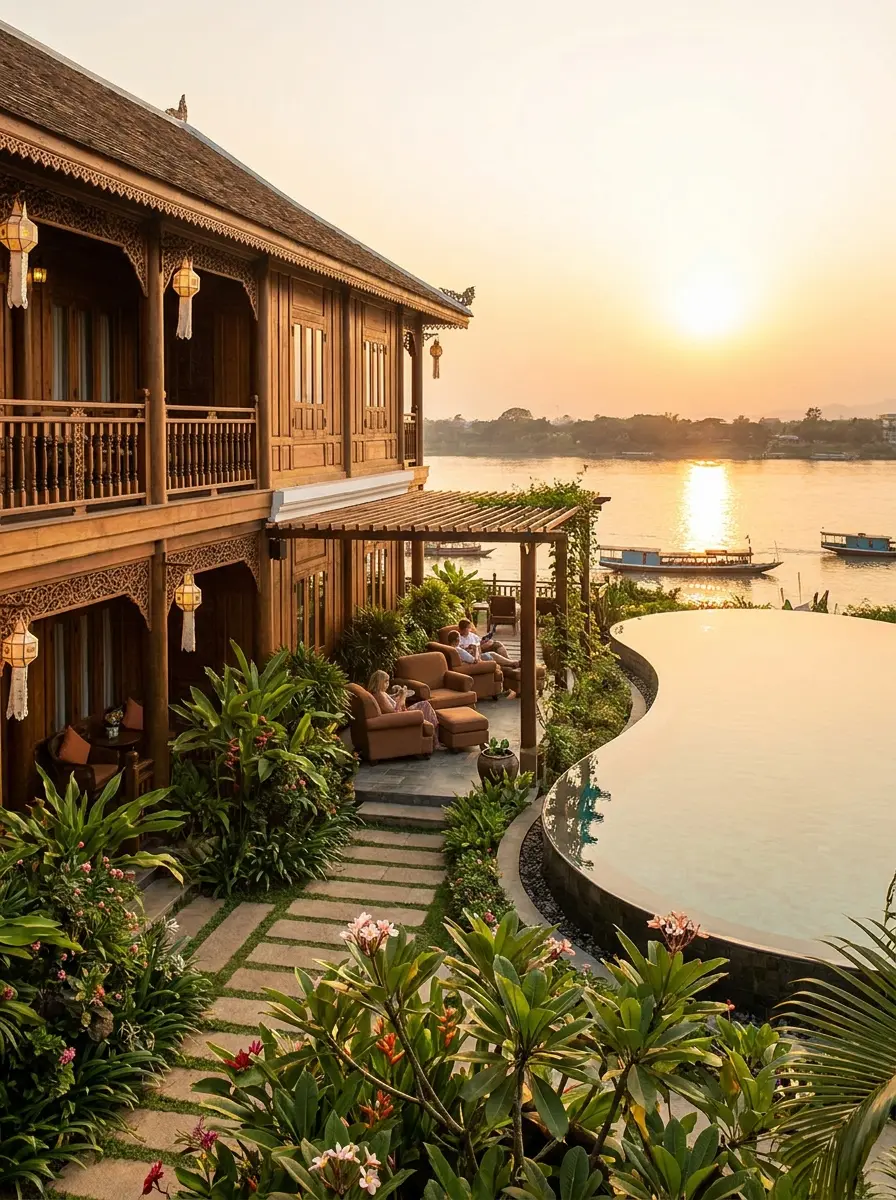
Small family-run houses along the Chao Phraya on the island's west bank, wooden terraces, long-tail boats passing at breakfast, and the prangs lit up across the water at night.
Find it on Google Maps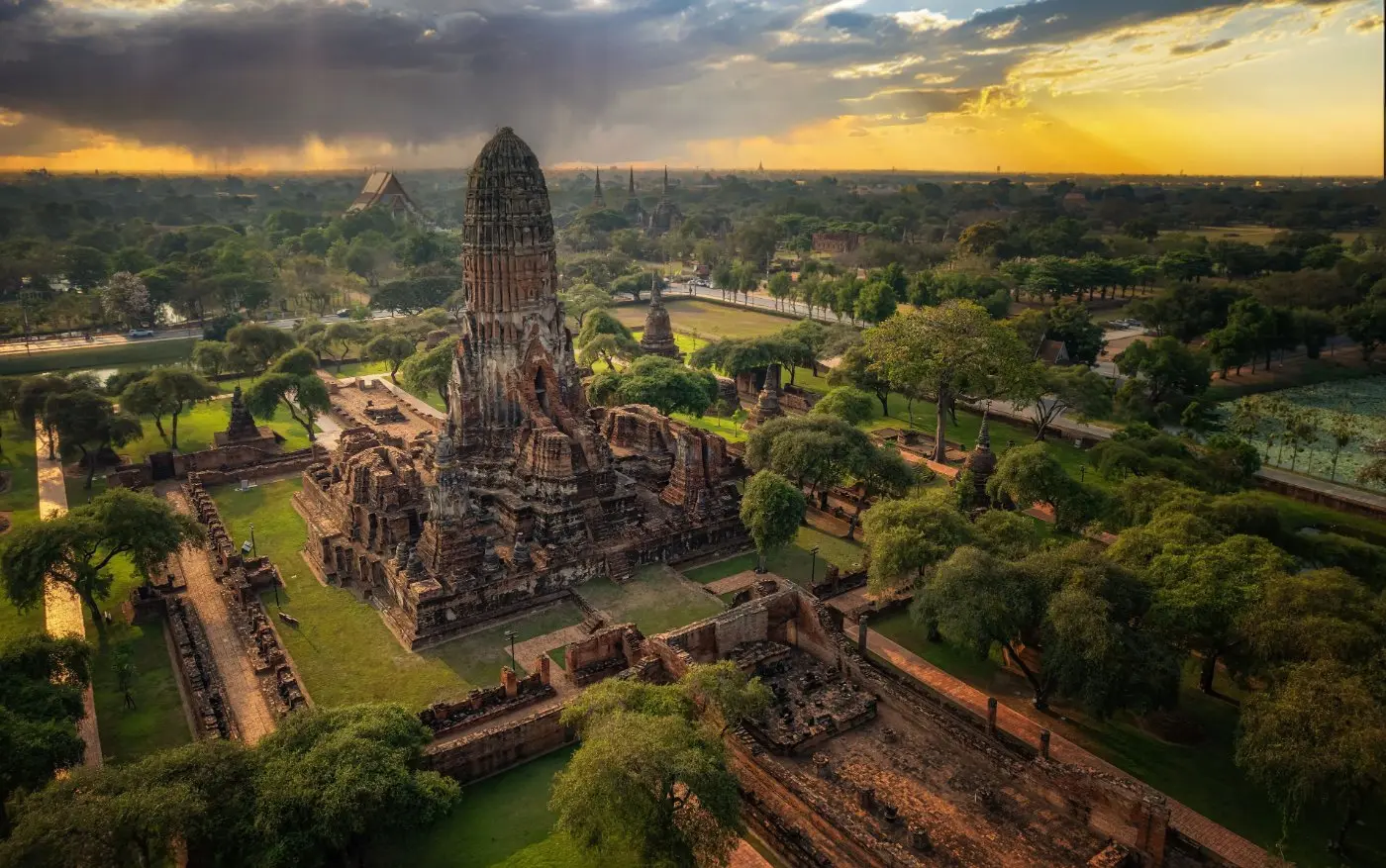
Converted shophouses and teak villas inside Ko Mueang, the historic island, a short cycle from Wat Mahathat, Wat Ratchaburana and the night market.
Find it on Google Maps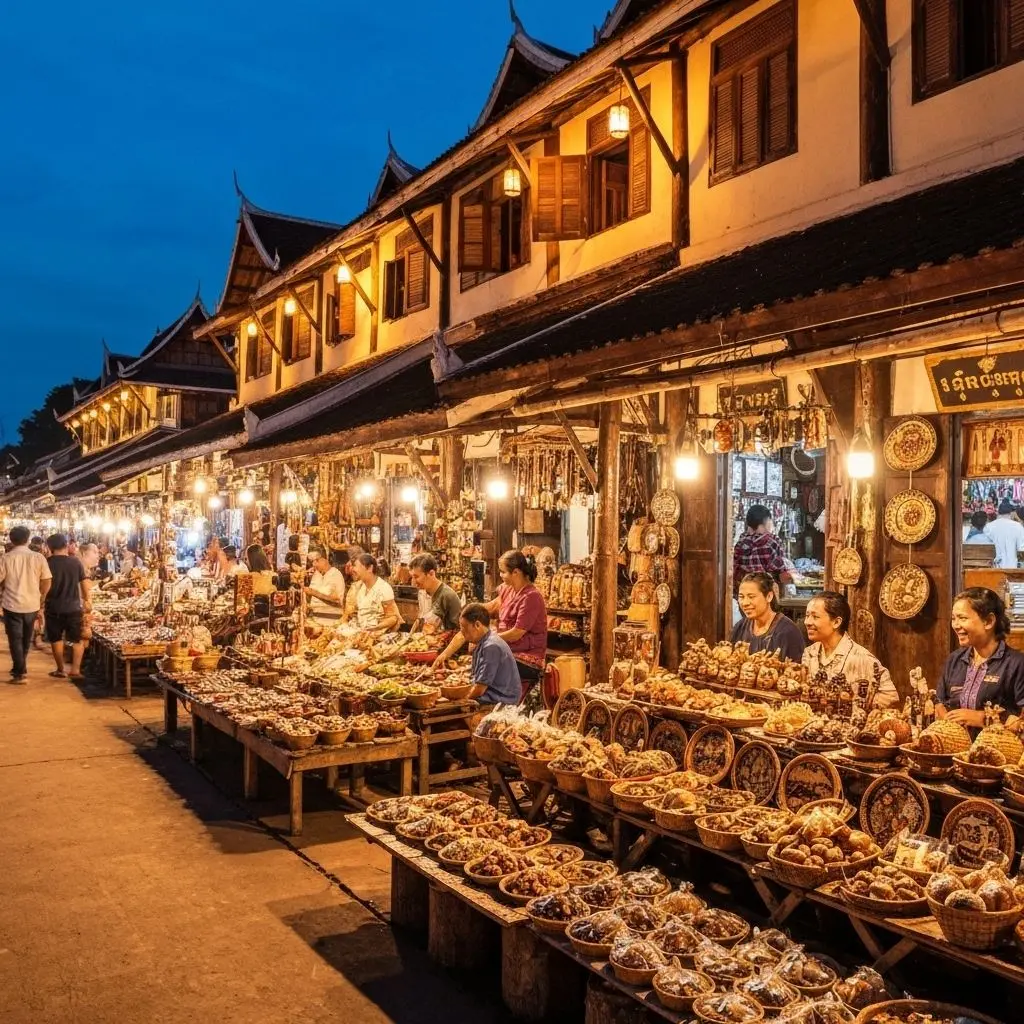
Rooms in working households in the villages beyond the moat, often with home-cooked meals and a boat or bicycle at the door. The money stays with the family hosting you.
Find it on Google MapsHeritage isn’t only in ruins. These crafts have been practiced in Ayutthaya for centuries, and the communities behind them are still here.
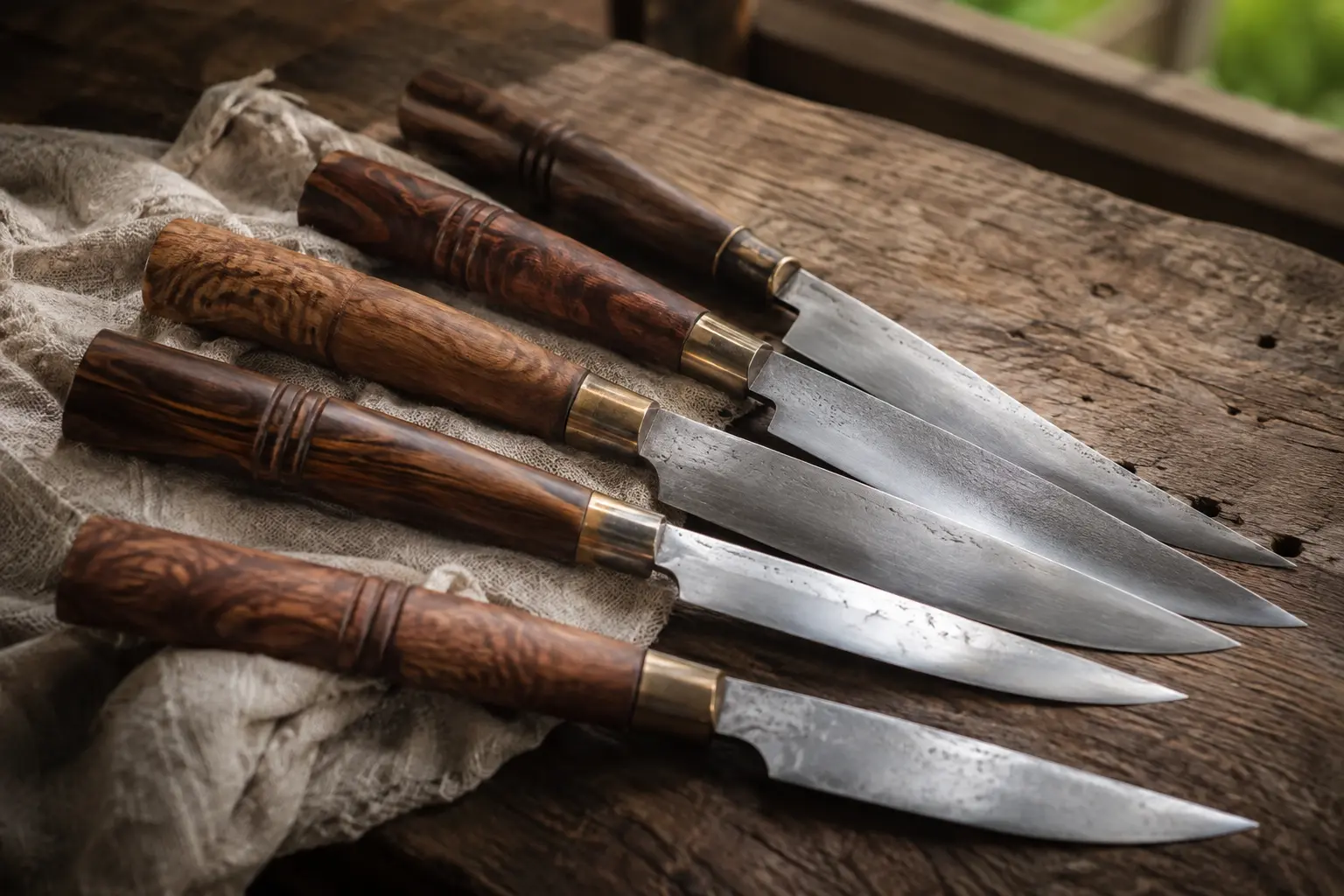
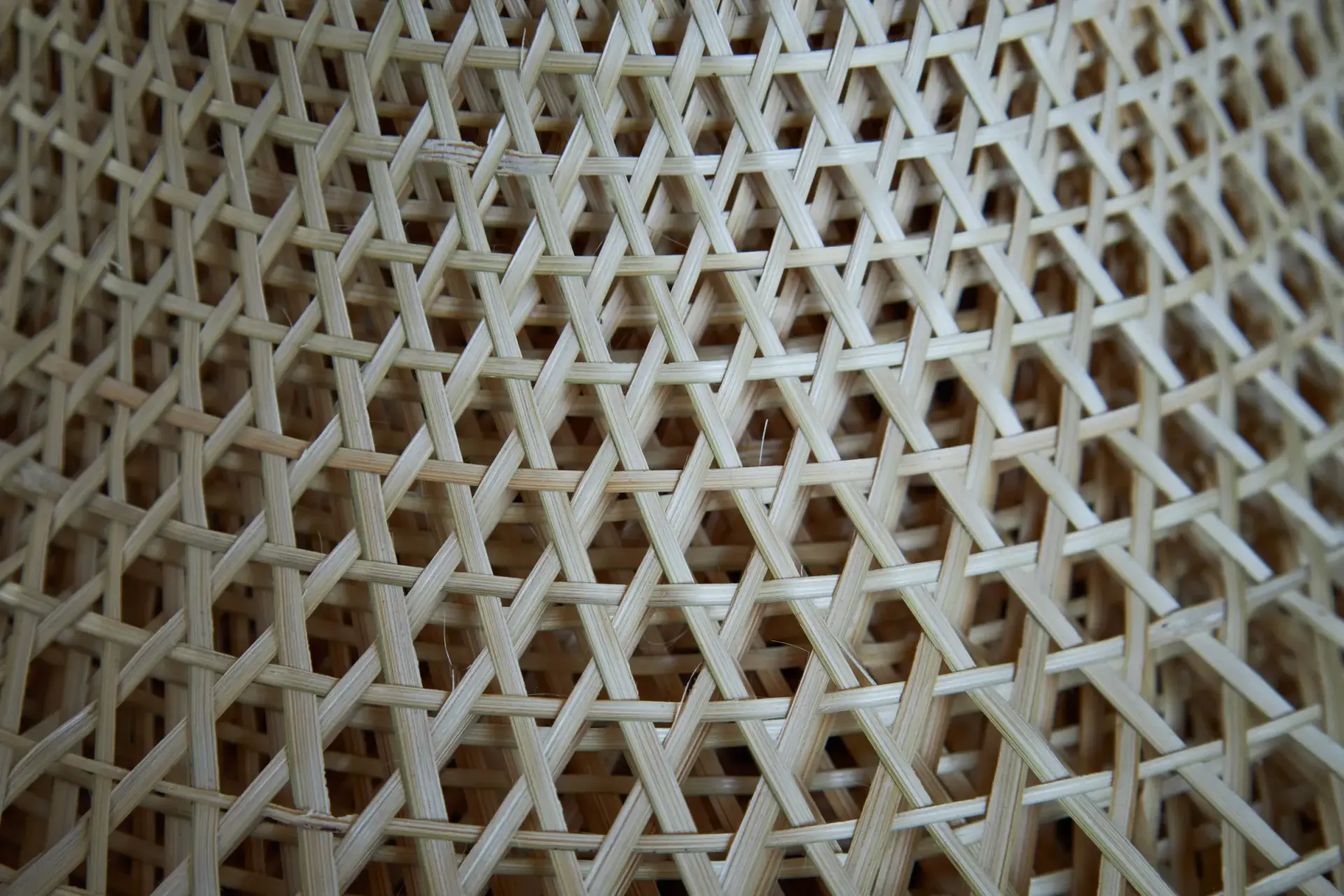
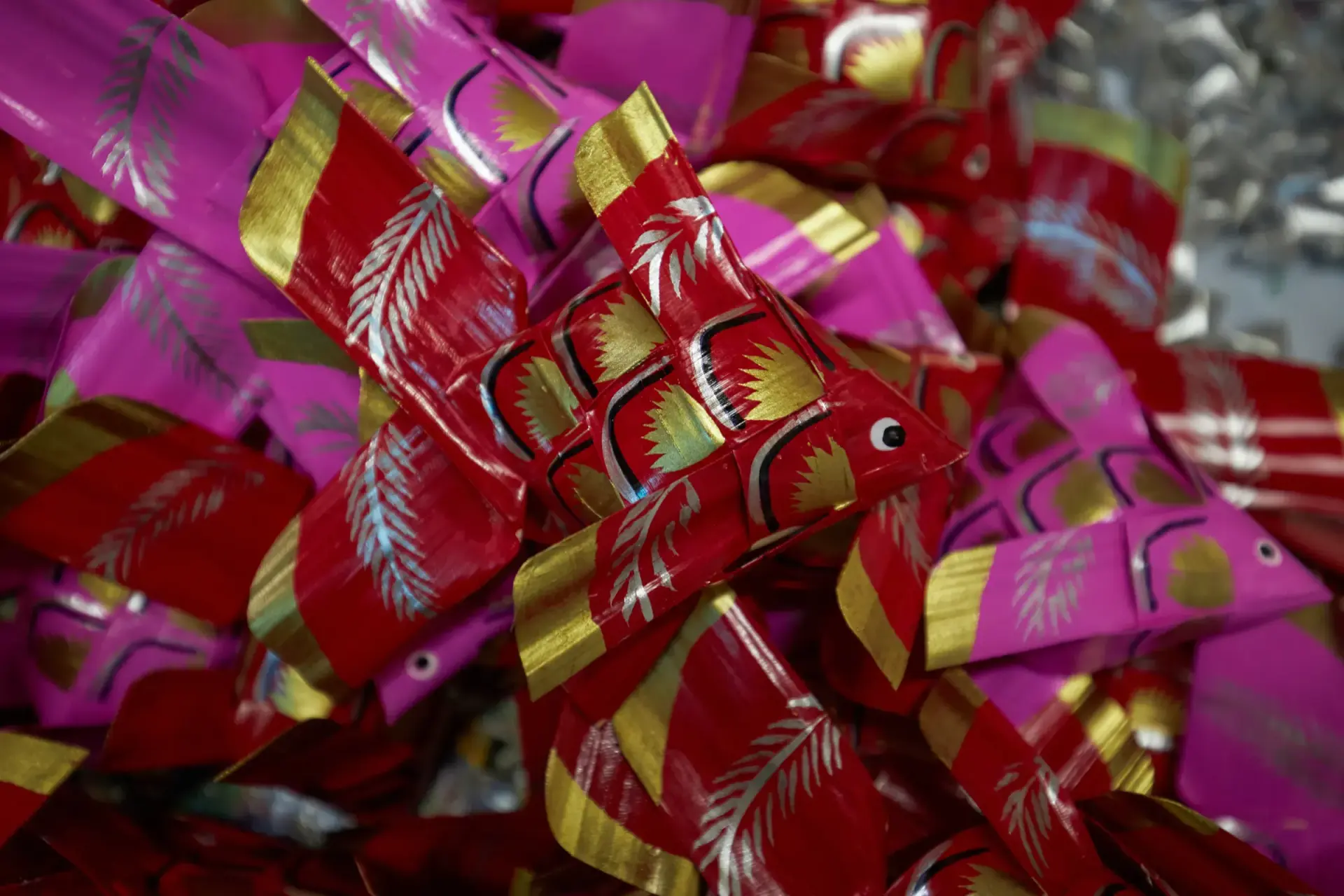
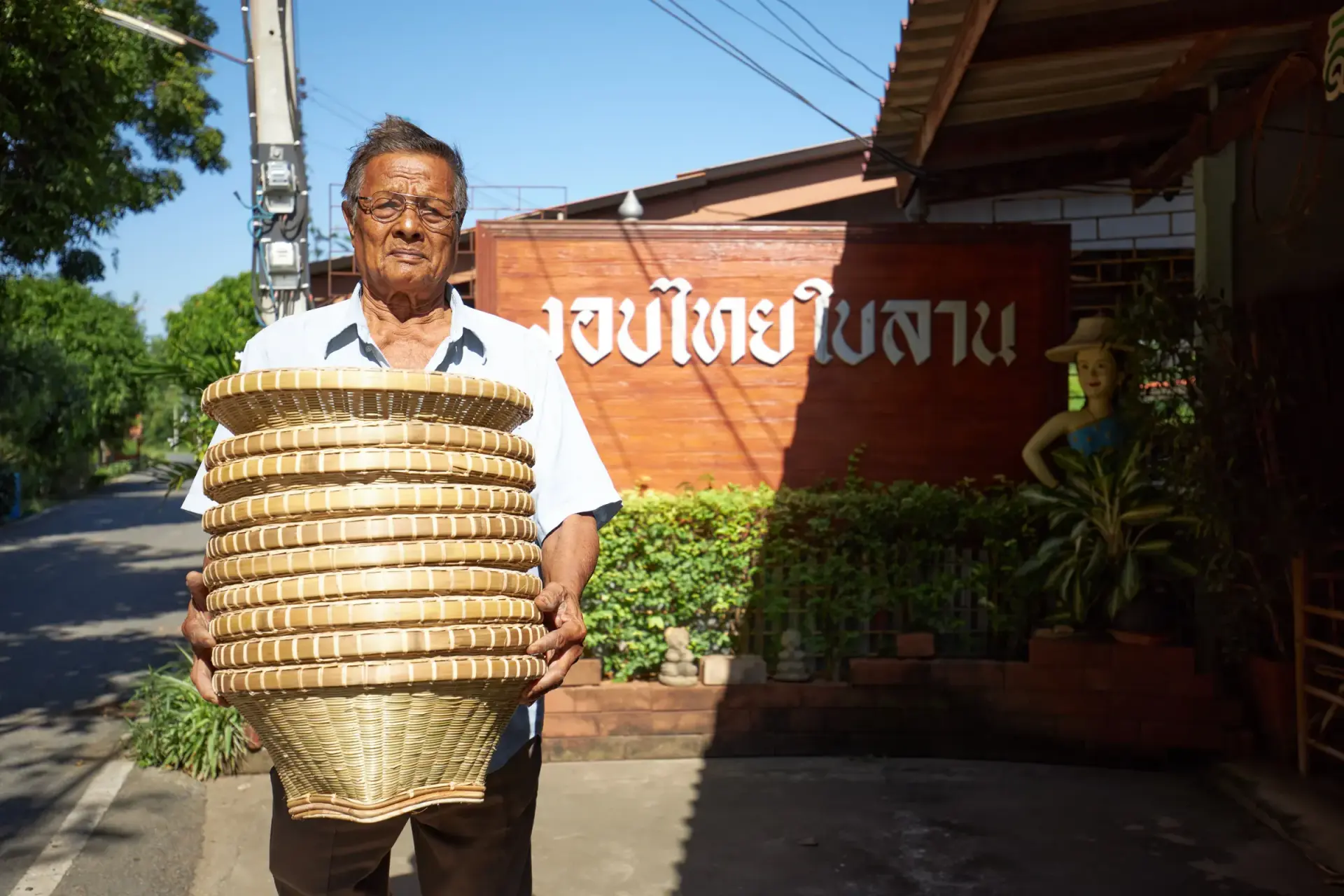
Independent businesses run by people who live here, listed by the project team. Get in touch with them directly.
Eco-tourism boat trips and travel services in Ayutthaya.
Handicraft museum of the Sustainable Arts and Crafts Institute of Thailand (SACIT).
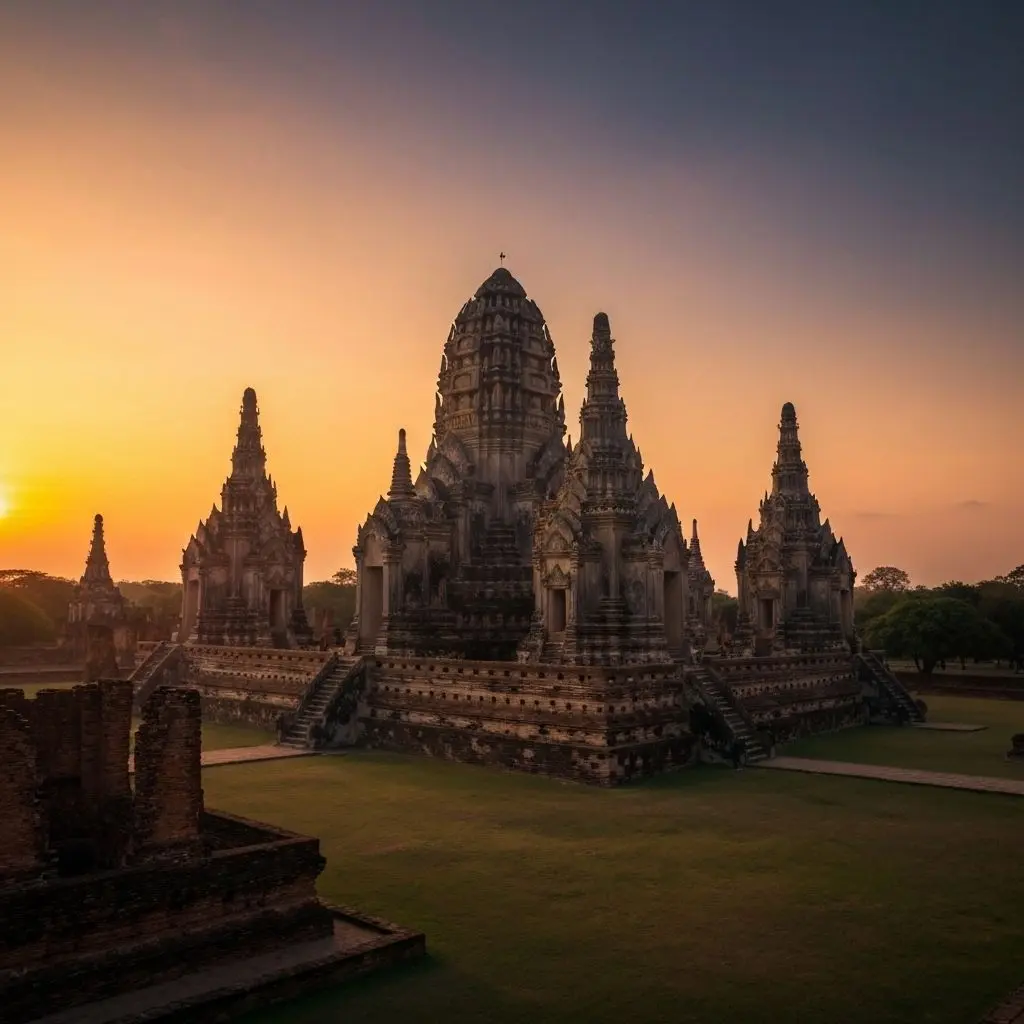
The capital of Siam for four centuries, and the ruins the river still keeps.
Living traditions that bring the ancient capital back to life on the water.


