



Nyaung-U Gift Corner
Nyaung-U market, Bagan
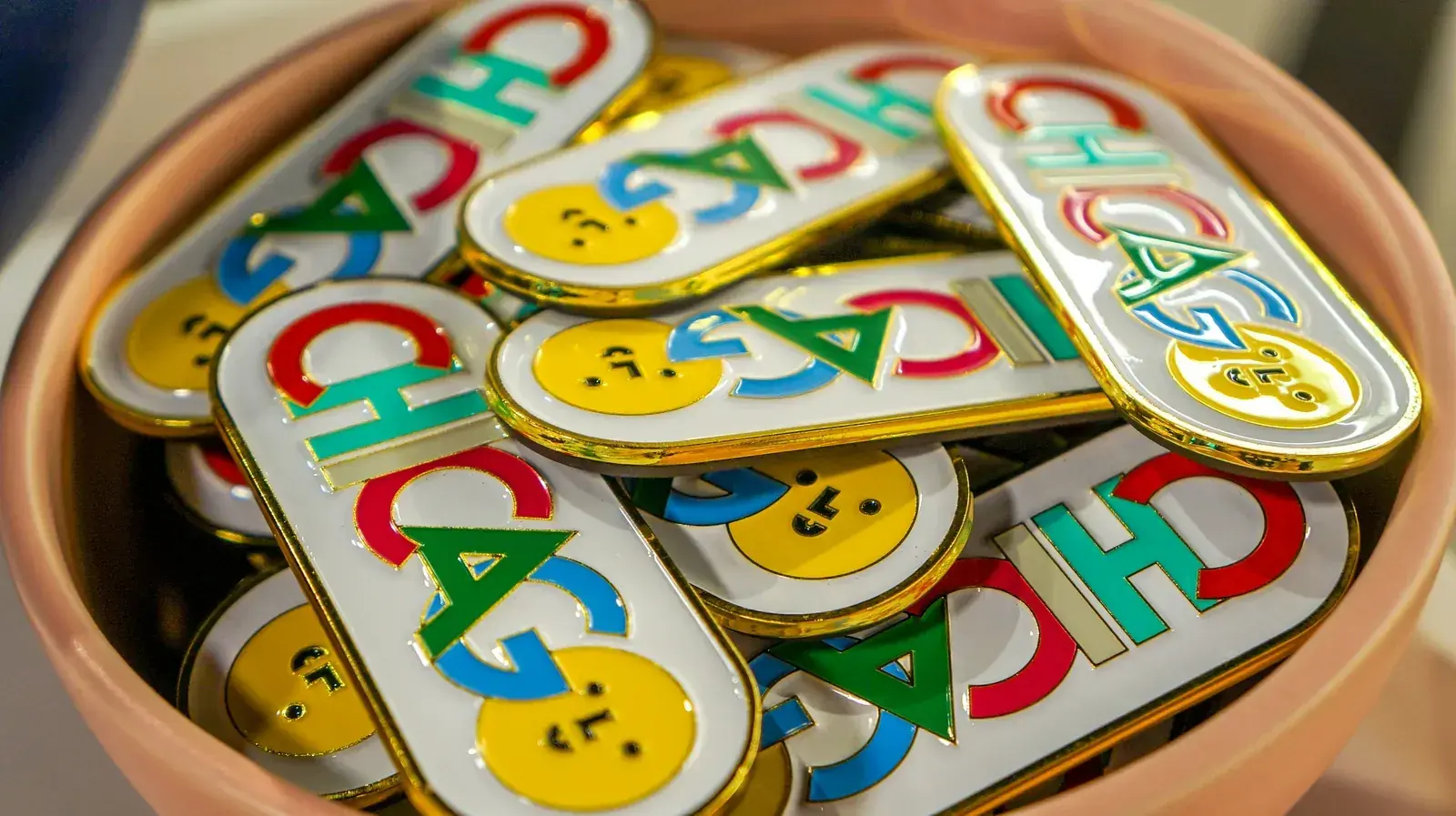
Small gifts from Bagan makers: enamel pins, postcards and tamarind sweets, packed for the trip home.
Enamel pins, Postcards, Tamarind sweets
Myanmar
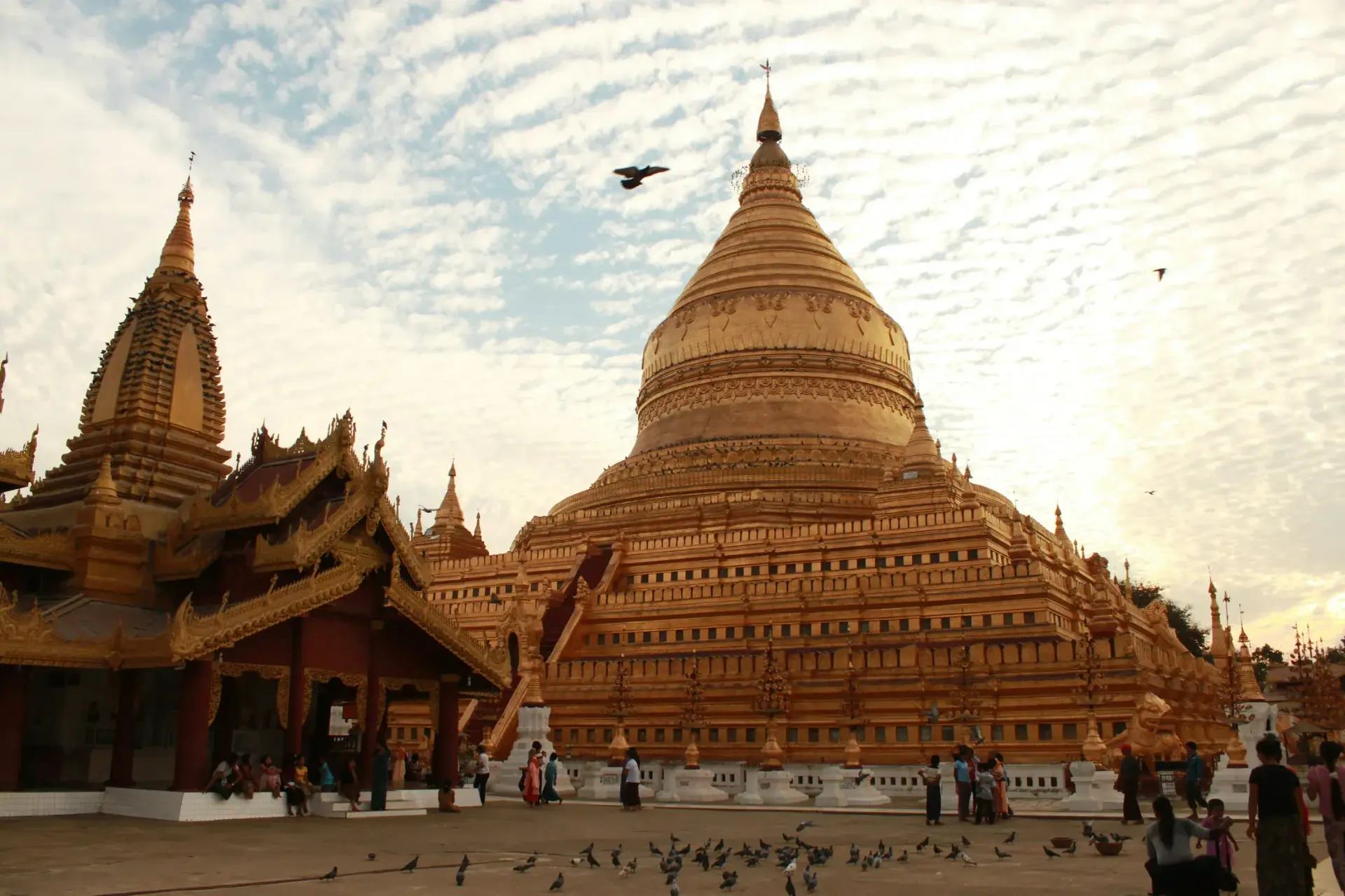
Where ancient temples and stunning landscapes collide, on the bank of the Irrawaddy.
Travel notice The situation in Myanmar can change quickly. Before travelling to Bagan, please check your government's latest travel advice and current local conditions.
Capital of the Pagan Empire from the 9th to the 13th century, and about 2,300 temples still standing.
Bagan is a UNESCO World Heritage Site in Myanmar located along the Irrawaddy River. It served as the vibrant capital of the Pagan Empire from the 9th to the 13th century, functioning as the epicenter of Burmese culture and Theravada Buddhism's propagation.
In its prime, Bagan contained over 13,000 brick temples symbolizing architectural brilliance. Approximately 2,300 temples and pagodas remain across the 104-square-kilometer Bagan Archaeological Zone. King Anawratha, in the mid-9th century, embraced Theravada Buddhism, initiating a cultural renaissance, and the city became a hub of trade, learning and spiritual enlightenment.
A Mongol invasion in 1287 devastated Bagan, causing its decline. Today, it remains a captivating time capsule, inviting travelers to explore its ancient wonders amidst the scenic beauty of the Irrawaddy River.
Reading the sky…
Cool & dry season · Nov – FebMornings are the kindest hours on the plain, whichever season you arrive in.
About 2,300 temples and pagodas remain across the 104-square-kilometer Bagan Archaeological Zone, from the Bagan Archaeological Museum and Kuthodaw Pagoda to the monasteries at Shwenandaw, Atumashi and Bargaya. The view mounds at O-htein Taung, Sulamani and Nyaung Lat Phet look out over the plain, and Set Set Yo village keeps the everyday life of the zone.
About 2,300 temples and pagodas across the 104-square-kilometer Bagan Archaeological Zone.
Popular restaurants include Weather Spoon's Bagan, Star Beam Bistro and Black Bamboo, with street vendors selling samosas, noodles and curries. Tap a dish to find the local kitchens cooking it:
Bagan offers accommodations in Nyaung-U, Old Bagan and New Bagan. Old Bagan has luxury hotels near the temples, while New Bagan offers more choices but lacks liveliness. Proximity to temples matters less due to the area's size, and Nyaung U is convenient, especially for backpackers, with abundant options. Booking ahead is vital, from luxury hotels like Bagan Lodge to budget options like Ostello Bello Bagan.
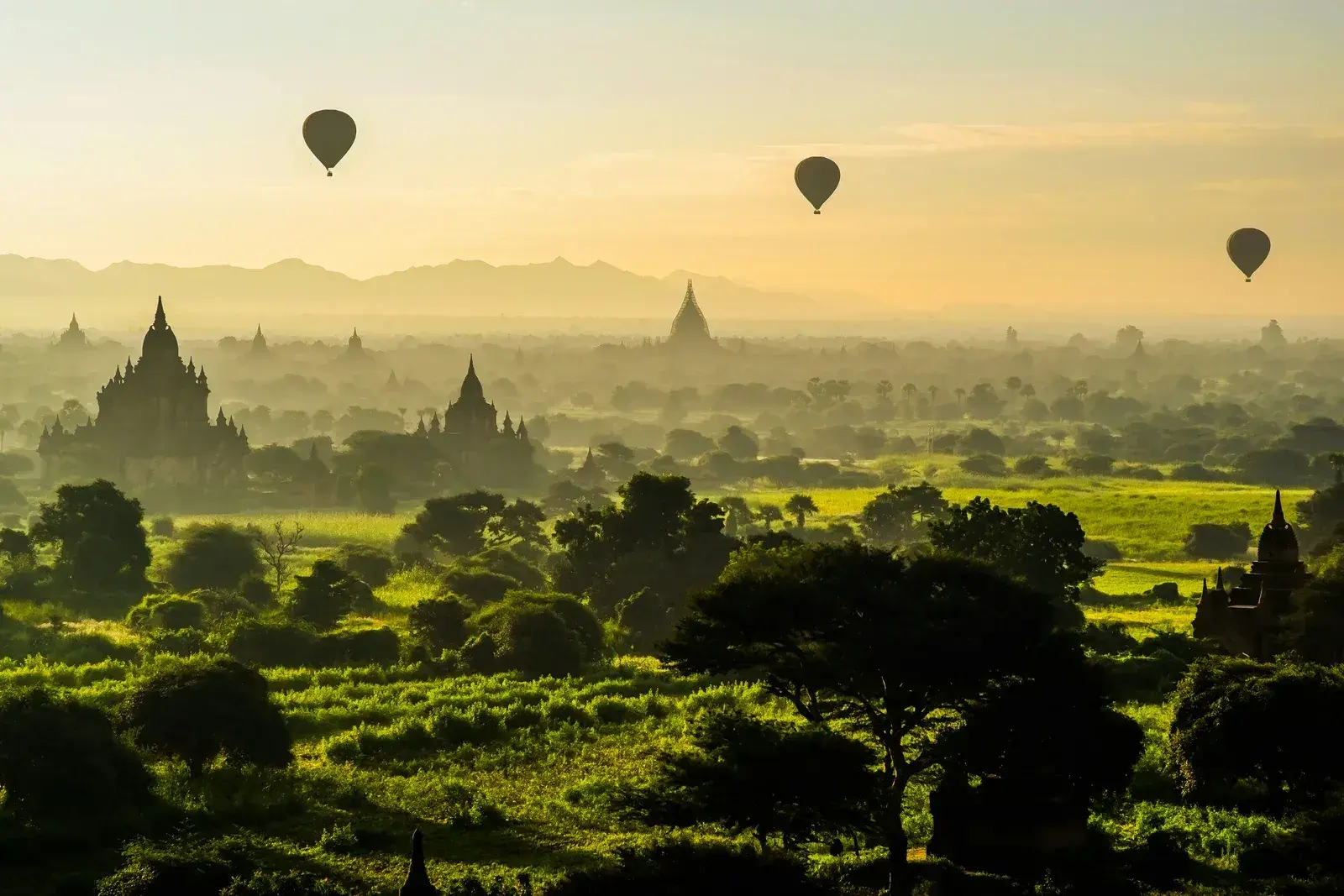
Closest to the temples, and where the luxury hotels are. The shortest ride to a sunrise.
Find it on Google Maps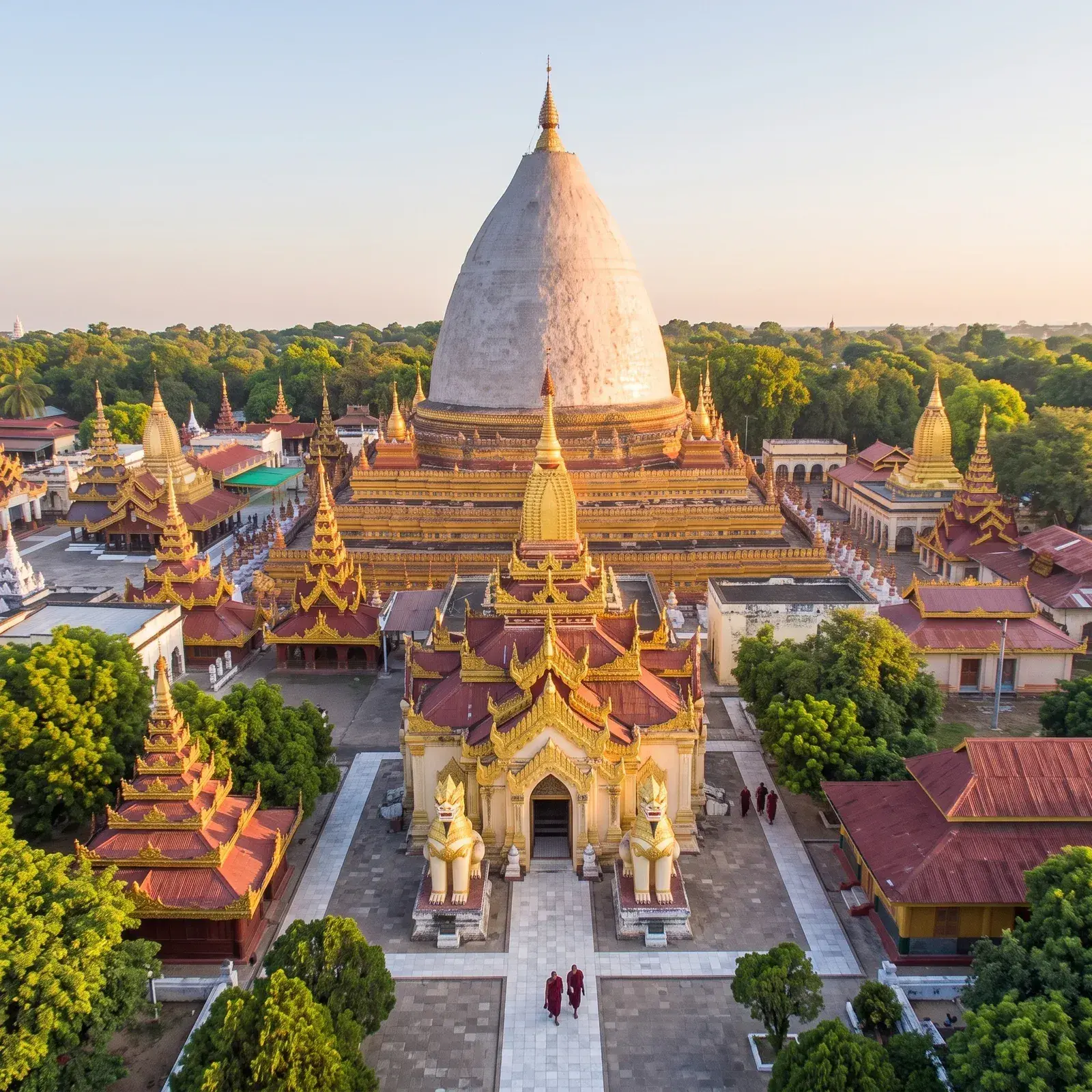
More choice and more space, though the evenings are quiet. Distance matters less here than the map suggests.
Find it on Google Maps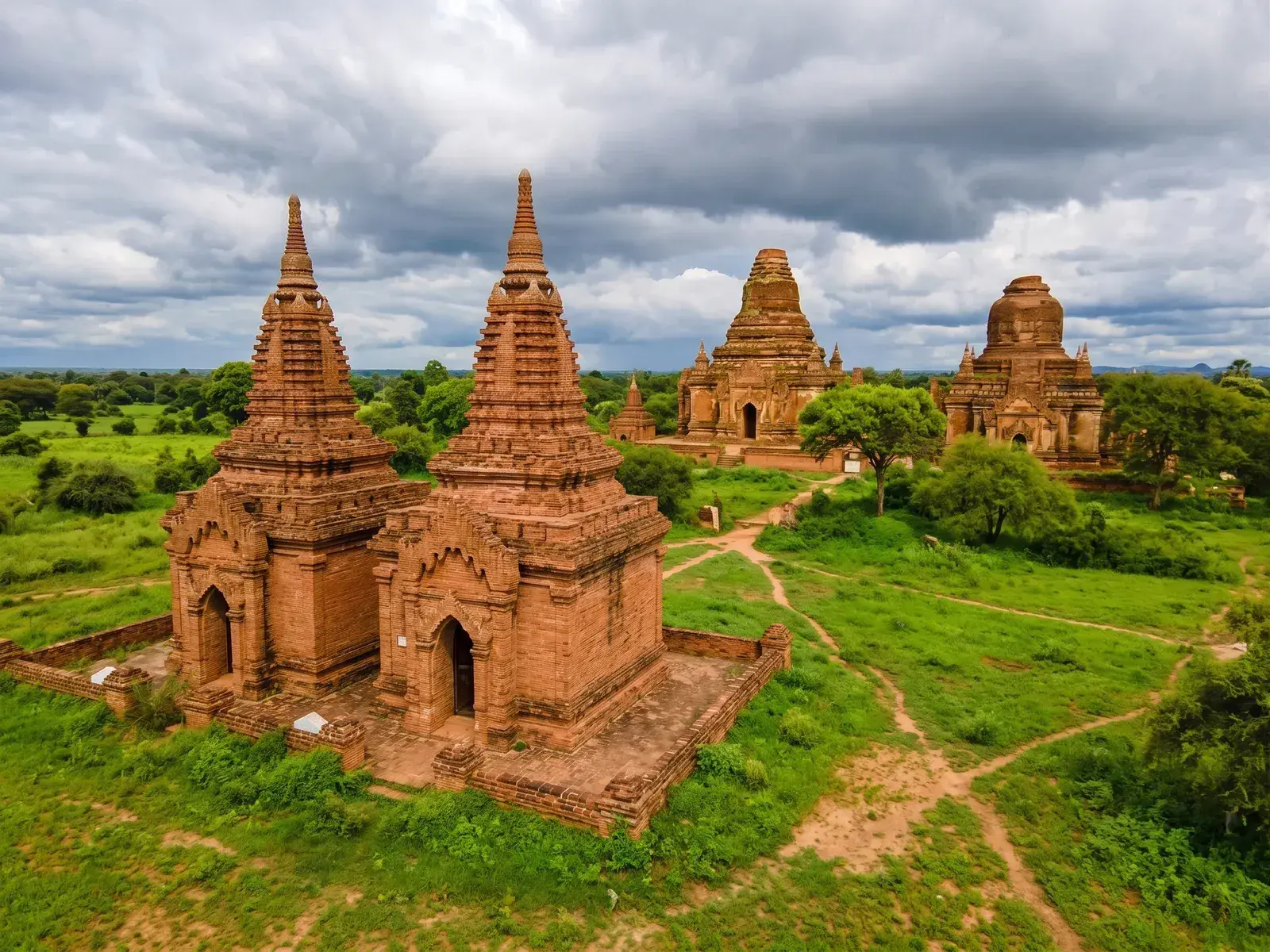
The backpacker end, with the most rooms and the easiest prices, and plenty open late.
Find it on Google MapsCraftspeople sell their work in markets like Nyaung U and Old Bagan, plus the temple stalls at Ananda and Dhammayangyi.
Independent businesses run by people who live here, listed by the project team. Get in touch with them directly.
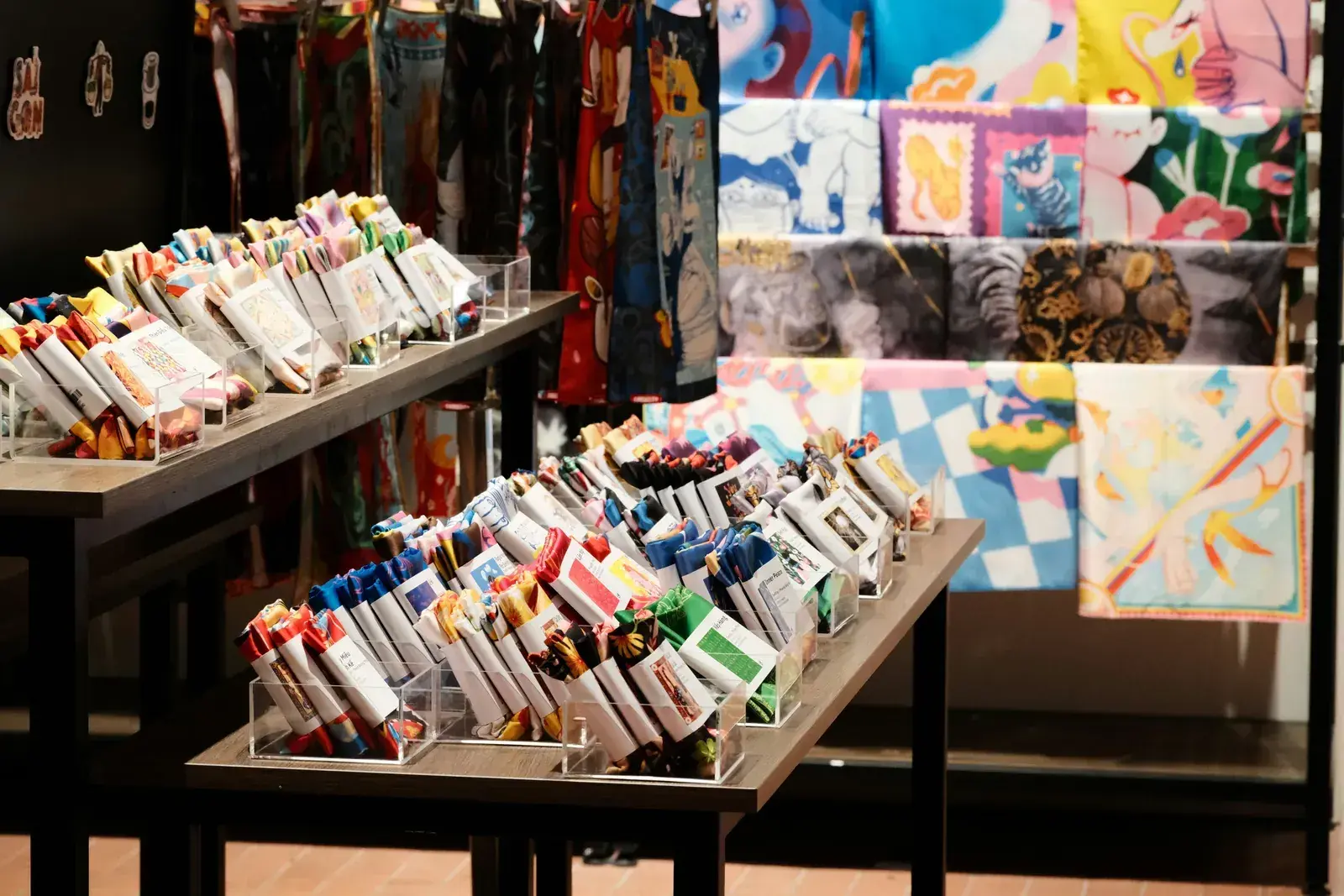
Nyaung-U market, Bagan
Small gifts from Bagan makers: enamel pins, postcards and tamarind sweets, packed for the trip home.
Enamel pins, Postcards, Tamarind sweets
Old Bagan
Three rooms in a family compound a short ride from the temples, with a rooftop for sunrise.
Rooms with breakfast, E-bike hire, Sunrise rooftop
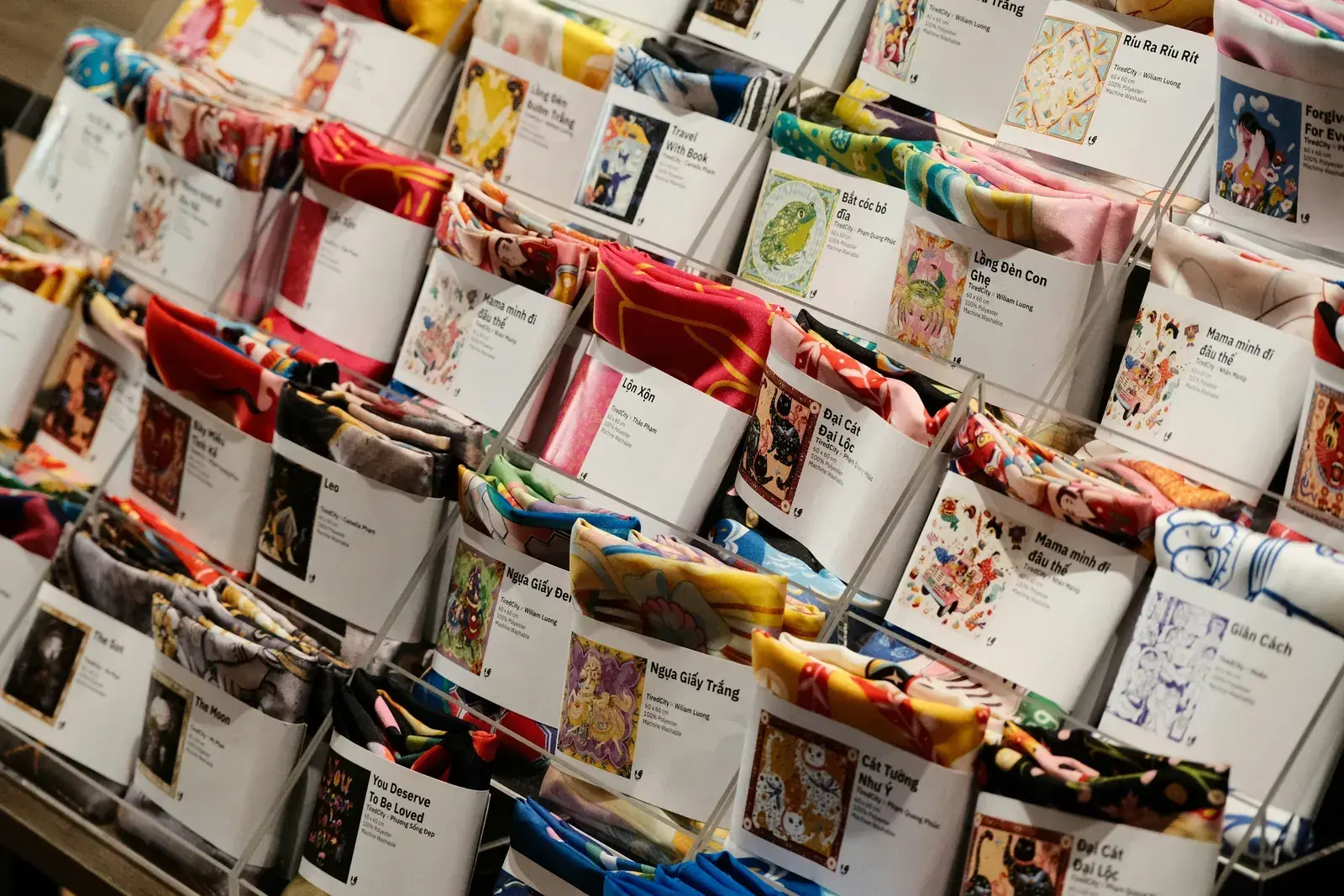
Myinkaba village, Bagan
Lacquerware turned and painted in the village of Myinkaba; the workshop is open to watch.
Lacquer bowls, Workshop visits, Custom pieces
New Bagan
Tea leaf salad and Shan noodles at shared tables, ingredients from the morning market.
Tea leaf salad, Shan noodles, Cooking class
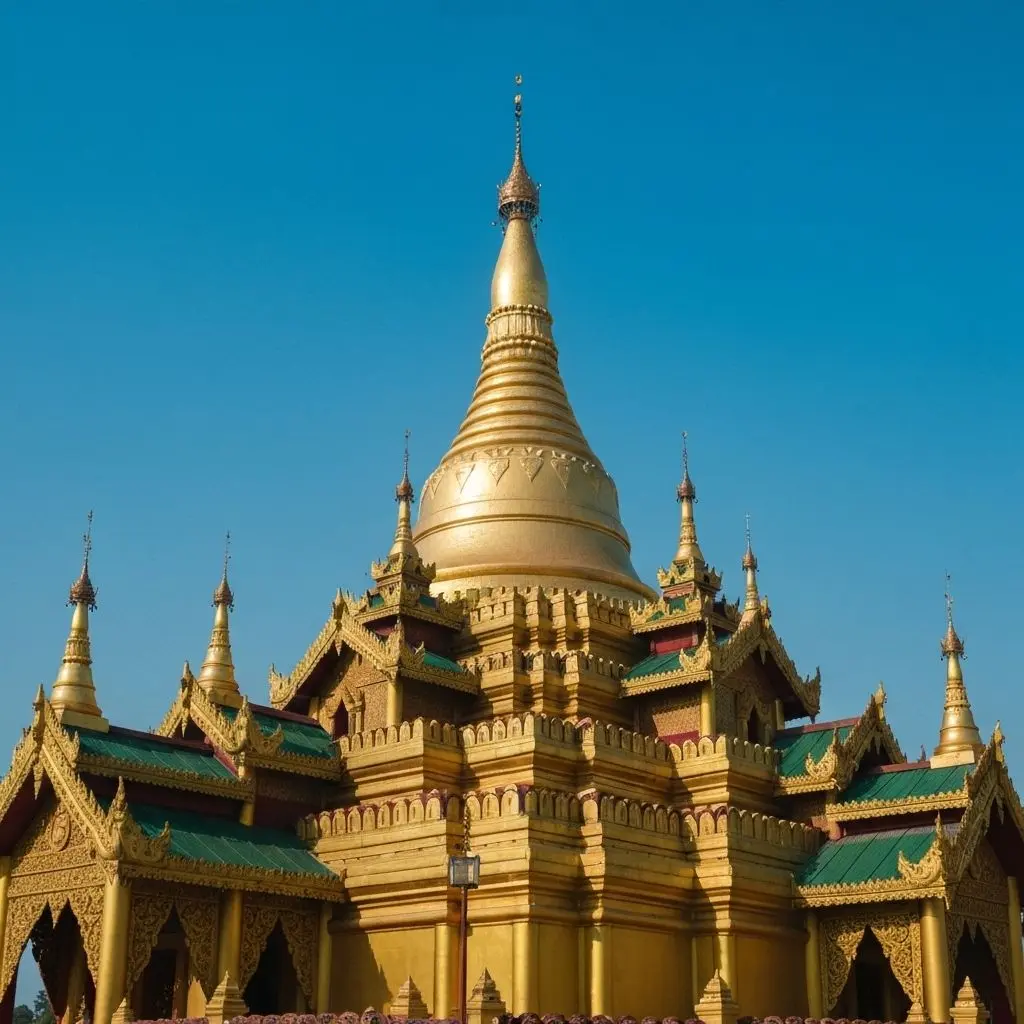
A captivating time capsule on the Irrawaddy, where over 13,000 temples once stood.
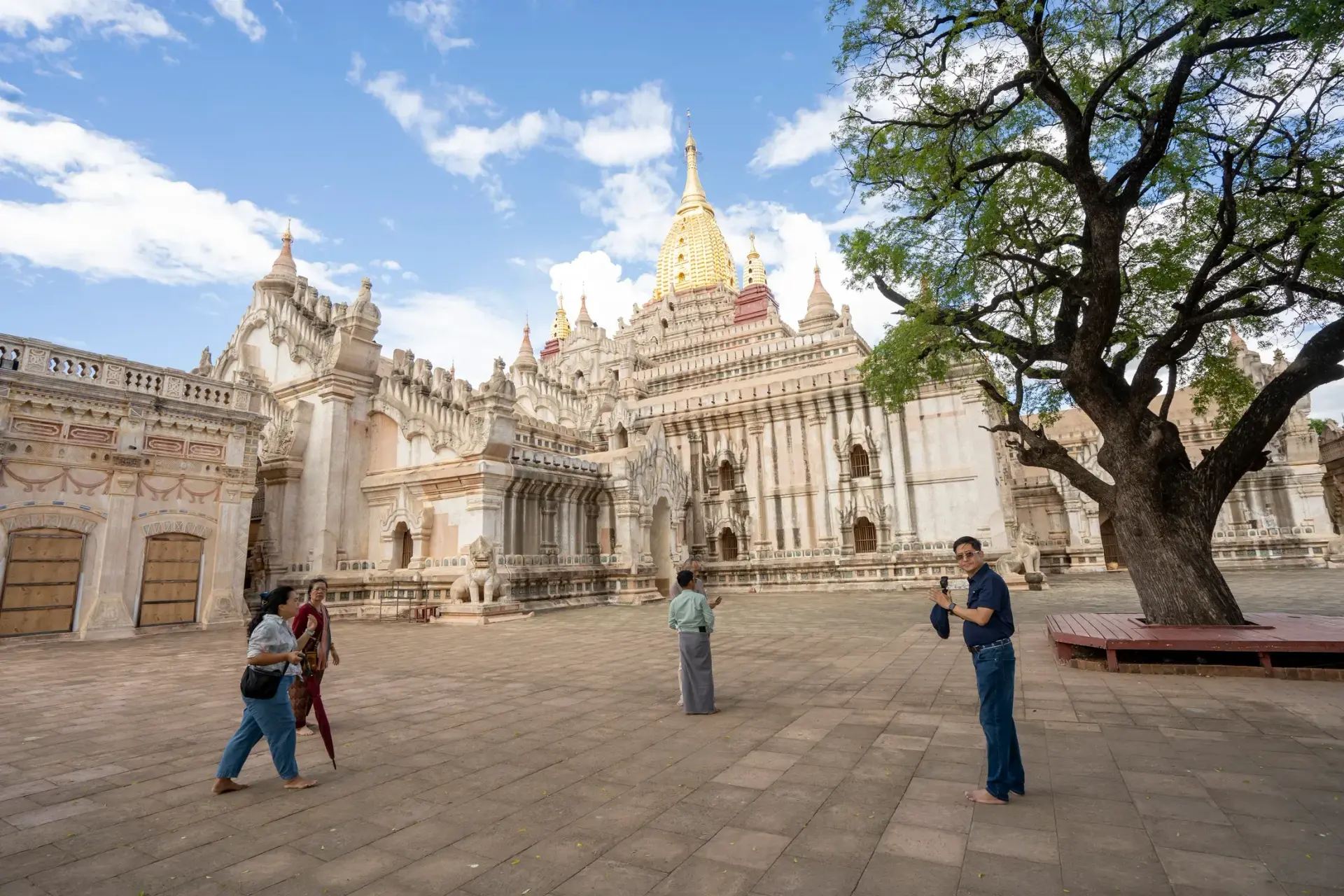
The heritage sites in this guide on one printable sheet.
Explore moreThe two-day route from this page, laid out stop by stop.
Explore more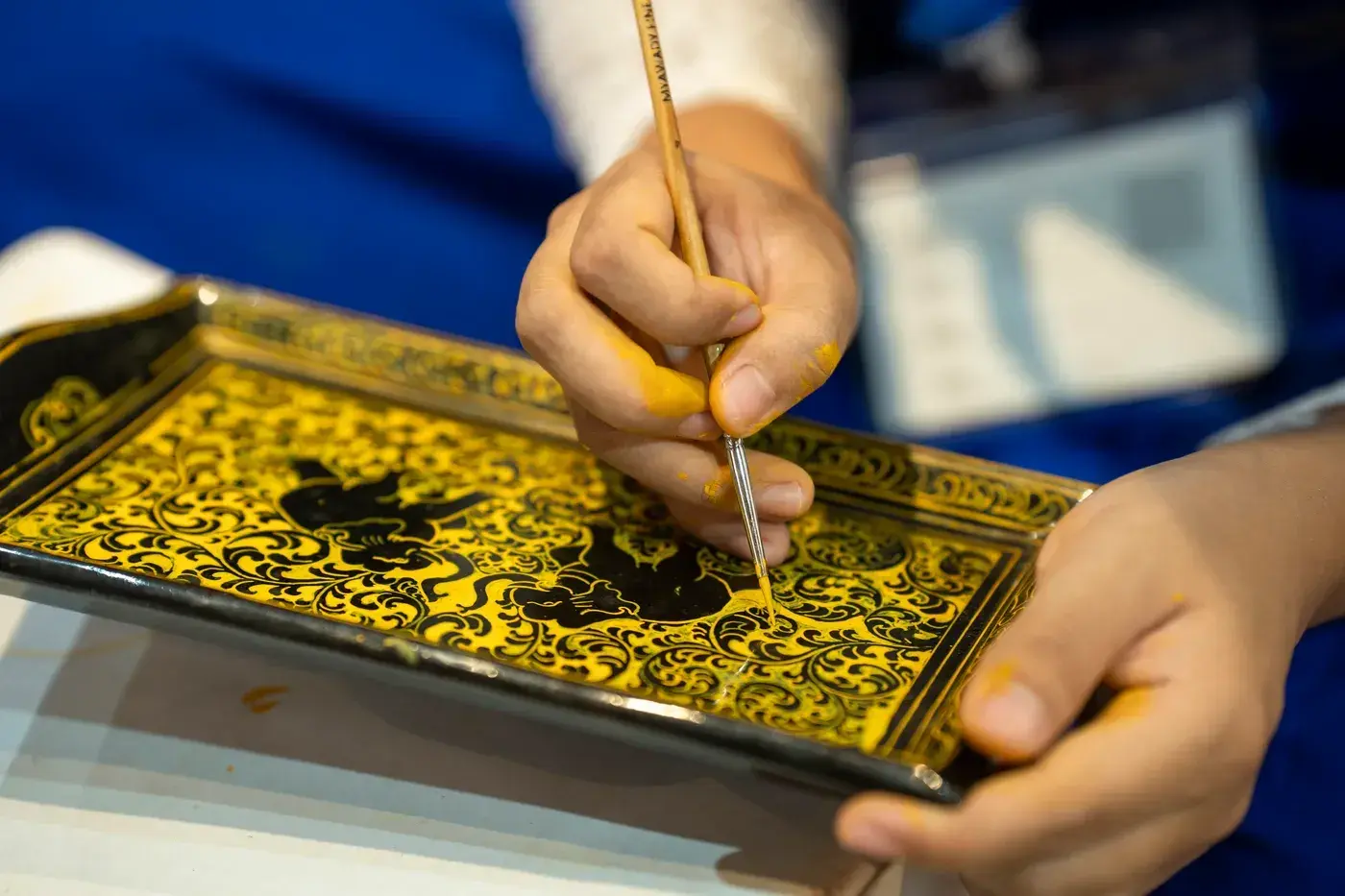
The workshops and dishes listed on this page, with where to find them.
Explore more


